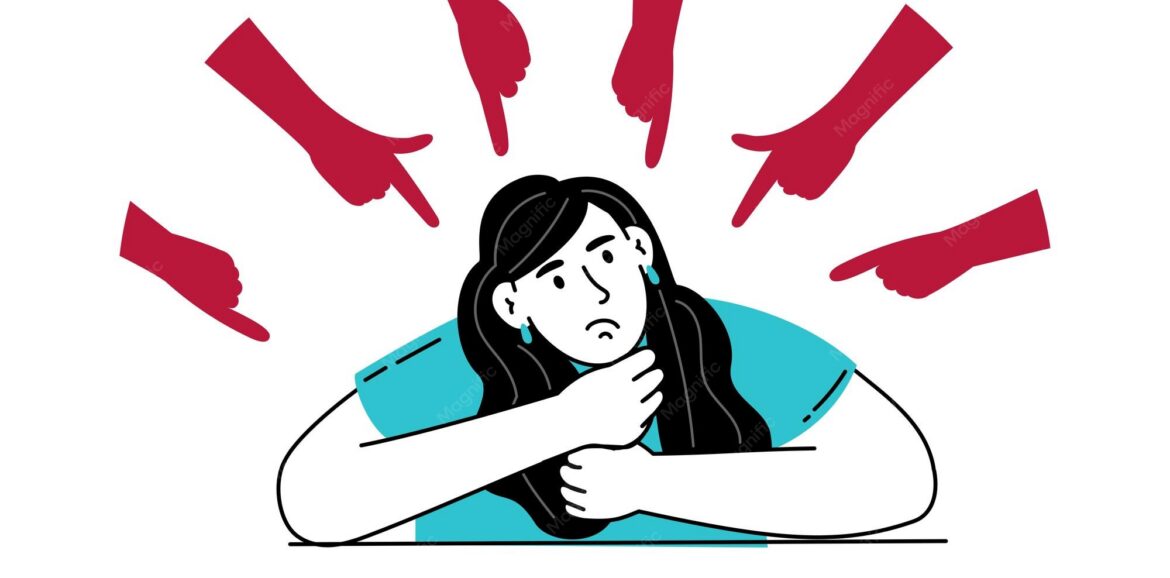
We all get criticized. And it doesn’t feel very good. One thing to keep in mind is something I learned years ago: consider the source. Criticism is in the mind of the beholder.
WHO is criticizing you and why?
Sometimes criticism is valid. In that case I prefer to view it as feedback. Constructive feedback, not the ‘tear you down’ type. There’s an appropriate way to do that and an inappropriate way – criticism.
Why People Criticize
When it stings the most is often when it hits a nerve. Some criticism bounces right off us while others stay with us for years. If someone calls you lazy and you know you’re hardworking, you shrug. But if they touch something you’ve secretly questioned about yourself, the words stick. The pain isn’t proof they’re right. It’s proof they hit an existing bruise. Be aware of your own bruise and don’t let their words keep poking it. Just know that they ‘got lucky’ lobbing a criticism grenade at you that you’ve lobbed at yourself many times. That doesn’t make it true. It just makes it painful. Be gentle with yourself.
When someone is critical of others, they’re often critical of themselves too. People who judge themselves often judge others and notice their imperfections. Not that that excuses them, it does not. But I wouldn’t want to be living in their head if they have that dialog going on! Nor do I want it spilling over to me.
The other thing to remember is that often the exact criticism they give you is what they say to themselves, whether it applies to you or not. For example, if someone calls you a baby, they probably think of themselves that way. That’s why it so easily spills out of their mouth. It may not even really be about you, but because they often call themselves that it’s the first thing out of their mouth. If it doesn’t fit, throw it out.
Which is the reason sometimes the descriptors critical people give you don’t fit. Because they often don’t. Because they’re really referring to themselves. They tend to project their insecurities onto you.
What to do About It
The one thing that I would not do is call them out for labeling you what they label themselves, a character attack. That won’t go down well, especially since they are probably unaware what they are doing. They would push back. They would deny. Then you’re left defending yourself over meaningless criticism.
This concept also applies to labeling or criticizing your behavior. Perfectionists can be particularly guilty of this because they hold themselves to a high standard. So they expect you too as well. The clash can come about when the criticizer is a perfectionist, and you are not. They will pounce on your every imperfection. Then you’re left wondering why they are so critical. Sadly, most people can’t do anything right when they’re up against a perfectionist.
My advice? Do your best to ignore them and stay true to yourself. If you know whatever it was that you were doing to incur their critique was plenty good, then don’t fret over it. They are the ones being picky, not you. You can’t win against a perfectionist anyway. They will always believe they are right and you are not.
People sometimes criticize just to tear you down or hurt you. Again, it’s a reflection of themselves. If they don’t feel good about themselves, they want to make sure that you don’t either. They may or may not do this consciously. Some people do it with malicious intent, others do it as reflex. They’re so used to doing it that they don’t even realize it.
The thing they don’t realize is that it reflects poorly on them to be so critical. It’s really not nice to be critical. It is hurtful. But if they do it to themselves often, they see it as just something they do. They don’t think or care that it might hurt you. Which makes it all the more distressing.
And all the more reason to try not to take it personally. That is a big ask, I know when someone is verbally attacking you. Try to remember my rule: consider the source. If this person is a known criticizer, then it’s definitely about them, not you. Even if you don’t know them that well or rarely interact with them, the same is true. It’s about them, not you. They can’t hold their tongue, which reflects poorly on them.
Ask Yourself
When you are being criticized ask yourself:
- Is it really true?
- Is this their interpretation?
- Does this person have a history of criticizing others?
- Would someone who knows me well agree?
- Do I agree?
Sometimes criticism contains useful information hidden in critical tones. Sometimes it’s just information about the critic.
There’s a difference between helping and not. Listen for the differences because one feels neutral and helpful, the other feels blaming or judging.
Someone who genuinely wants to help usually says things like:
- “Have you considered…”
- “I wonder if…”
- “Can I offer another perspective?”
Critical people tend to speak in absolutes.
- “You always…”
- “You never…”
- “What’s wrong with you?”
Their goal isn’t understanding you, it’s judging you.
And Remember…
Keep in mind that most criticism is not accurate.
- Sometimes criticism is projection, what the criticizer thinks about themselves.
- Sometimes it’s envy but they can’t think of a nice way to tell you.
- Sometimes it’s stress so their words don’t come out well.
- Sometimes it’s poor communication.
And sometimes…it’s accurate. The skill isn’t dismissing all criticism.
It’s learning to separate feedback that helps you grow from projection that belongs to someone else. By taking on the latter, you’re letting their words get to you, not being objective about what’s accurate and what’s not. Try your best not to let their words affect your self-esteem. You know the truth about you, they do not.
Want some insight on critical people? Then USE YOUR SUPERPOWER! YOUR INTUITION! It will give you the answers and never steer you wrong!
Want to learn how to develop your intuition? At your own pace? On your own time? For a steal of a deal? Then click this link!